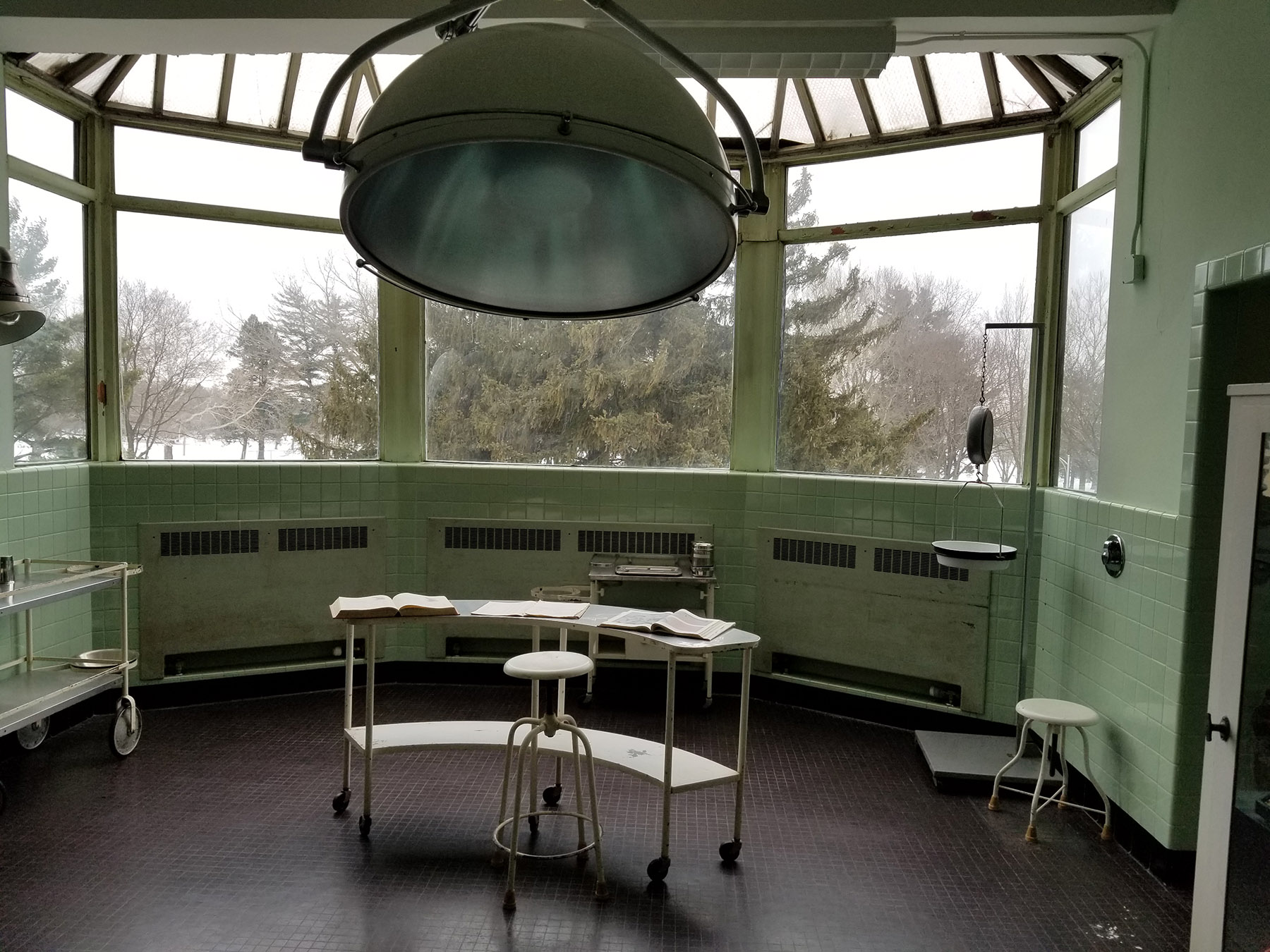
Location: Independence, Iowa
Attraction: The Mental Health Institute Tour
Duration: Around 2 hours
This week’s date was a day date. We took a tour of the MHI building. Psychology has long been something that has piqued my interest and I have heard this building had a lot of history and a lot to offer in the form of artifacts and the ways of the past.
Opening in 1873, the Mental Health Institute in Independence, Iowa is one of the cooler buildings I’ve been in. Stain glass windows bursting with color, intricate tile designs on the floor, and gorgeous woodwork throughout the building.
We started out in the auditorium where we got a quick history lesson about the building, the laws on how people were committed, and some of the mental diseases that have tormented some of the patients that have stayed in the facility. The tour guide did a fantastic job of keeping things light and humorous, but still being respectful of the mentally ill. He was very informative and did so in quite an entertaining way.
Before the mid-1800s, the mentally ill were often hidden from the world. They were stuck in a basement or left at a poor house, so society didn’t have to deal with them and their abnormal behavior. But Thomas Kirkbride helped to change this by building mental hospitals that looked more like a castle. The thought was if we, as a society, put the mentally ill into a nice place, treated them with respect and gave them a purpose like gardening or taking care of animals, that they could lead a happy, healthy life. The state would then sell the crafts, food, and goods that the patients would make to help pay for the facility and the patient’s needs. It was very refreshing to learn that our country did so much to give the mentally ill their dignity in a time when the mentally ill were so misunderstood.
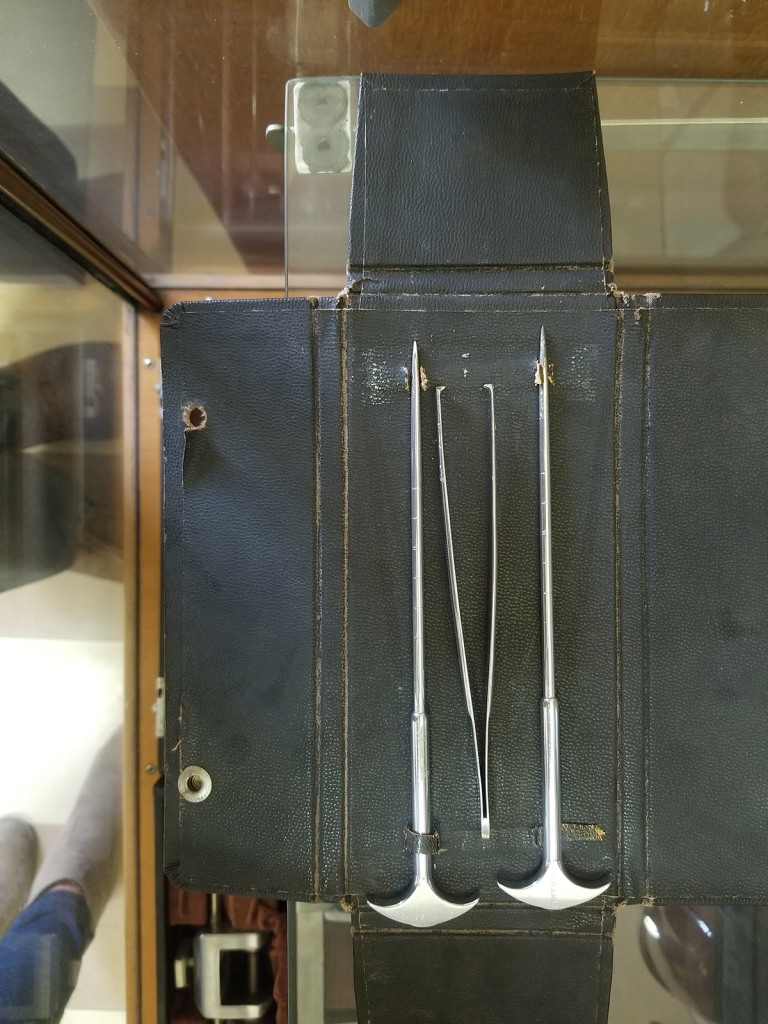
We learned how they used to give lobotomies to people by shoving an icepick-looking-tool into people’s eye sockets to intentionally damage the frontal cortex of the brain to alter the brain’s mood control center. A successful lobotomy would leave people with the desired effect; No bad moods. But it also came with an undesired effect; No good moods either. They were just “flat”, with no emotion. If it didn’t work properly, the patient would be left paralyzed or without their life altogether. In cases where the lobotomy did flatten their mood, the patient would often go on to be an engineer or architect. It turned out that when the mood center of the brain is turned off, people would often become more active in other areas of their brains, especially the areas dealing with numbers, but would be rendered emotionless. 198 lobotomies were performed at MHI in Independence.
Originally the only thing needed in order commit someone was one signature from a blood relative or a spouse. The tour guide went on to say that the person or people that signed you in as “crazy” were the only ones that could sign you out. People started to abuse the system and they would commit their spouses instead of getting a divorce. Or they would commit their siblings so they would get a larger chunk of the family inheritance. Laws were later changed so doctors could determine the mental health of a patient and release them if they felt they were mentally fit.
The landscaping of the building was done in a way to help keep the rest of the public from being able to see the patients and any abnormal activities. The example the tour guide gave was, “If a patient wanted to stand outside in the nude and bark at the flagpole, they could without bothering anyone.”
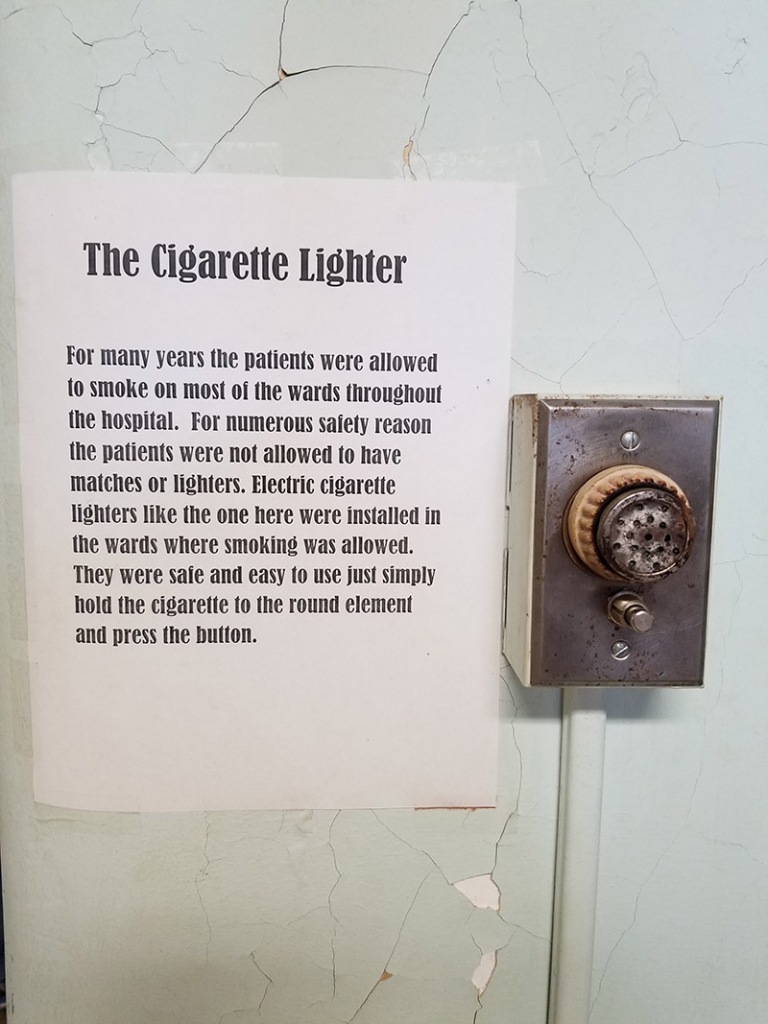
This was an amazing tour with historic artifacts sprinkled throughout and is a great reminder of how lucky many of us are to have our minds and be able to function in the ways that we do. The tour cost us nothing and was well worth our time. At the end of the tour, we were allowed to walk around a museum with more than a dozen rooms set up like they would have been in the 1800s so you can see the tools doctors used and living conditions that the mentally ill lived in. They even had central cigarette lighters since they allowed smoking, but didn’t want to give the patients lighters or matches for fear that they would harm themselves or others with them.
I wouldn’t mind doing this tour again sometime. It was a lot of fun. The intricate detail that much of the hospital had throughout was beautiful and the amount of information and artifacts surprised me as well. Really cool stuff.
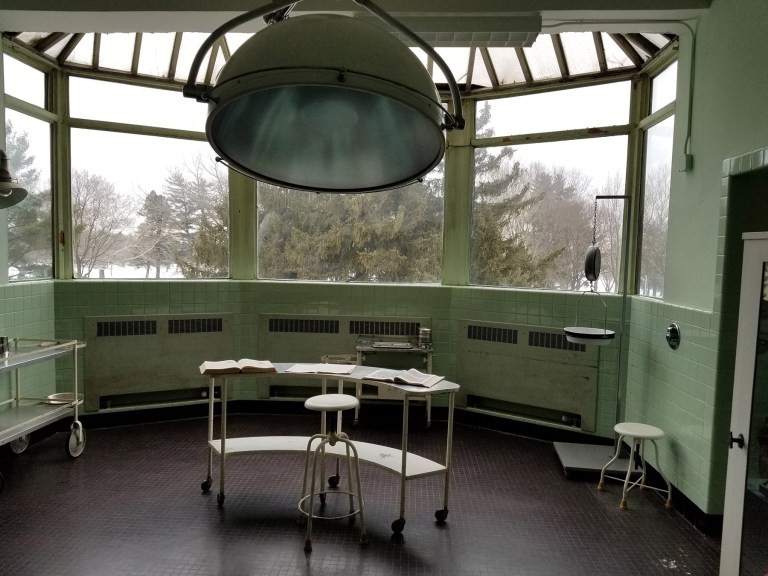
Operating Room 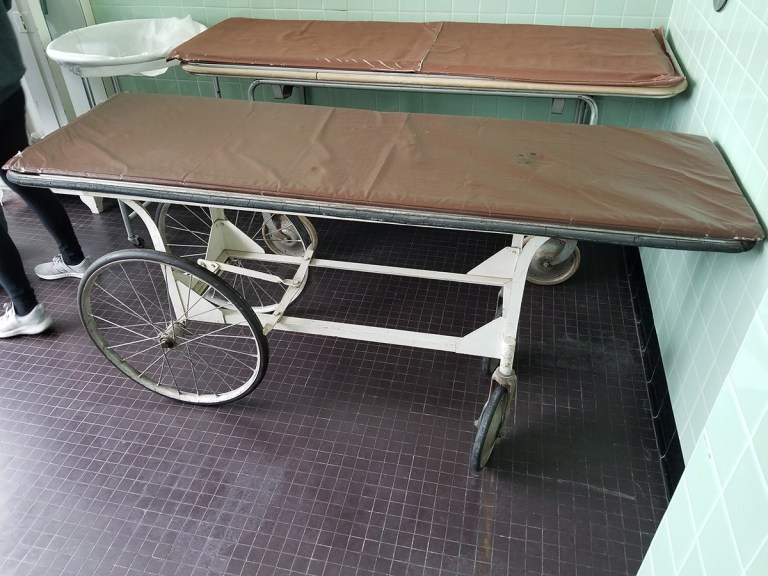
Stretchers 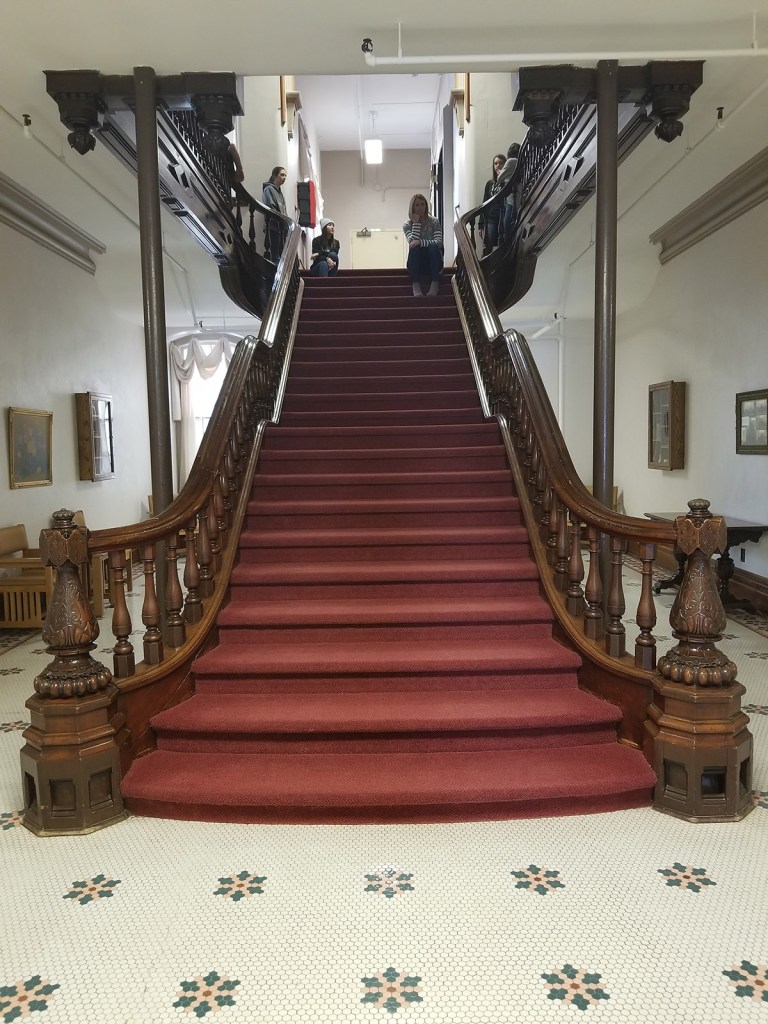
The Grand Staircase 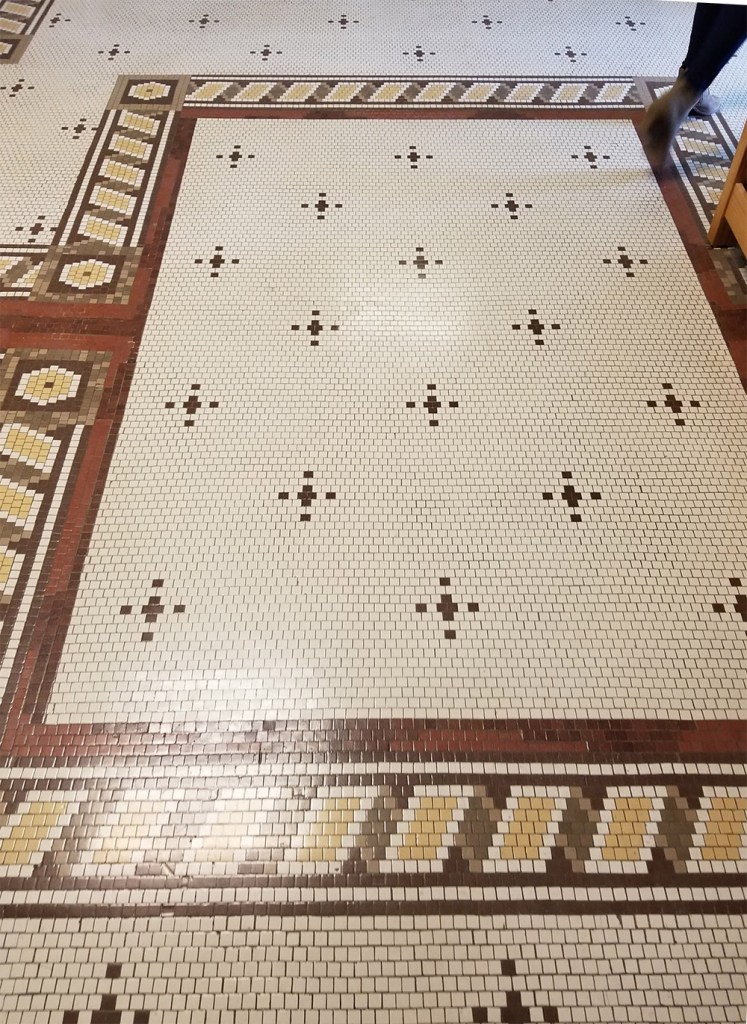
Beautiful Tile Floors 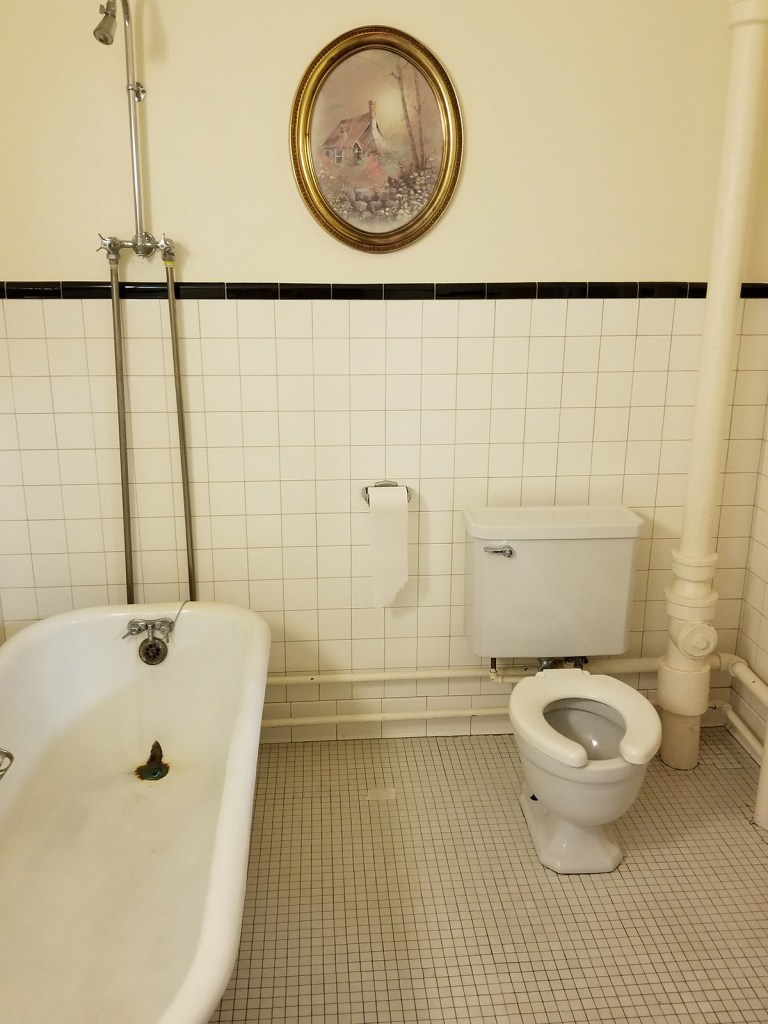
Original Bathroom Fixtures 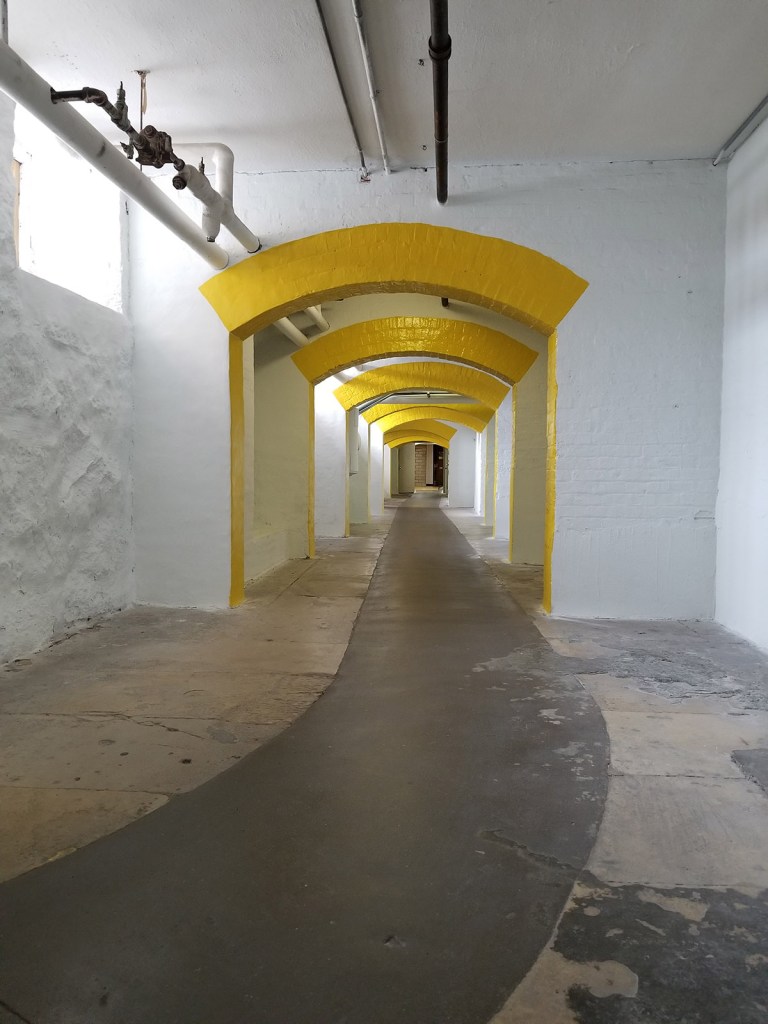
Miles of Tunnels Underground 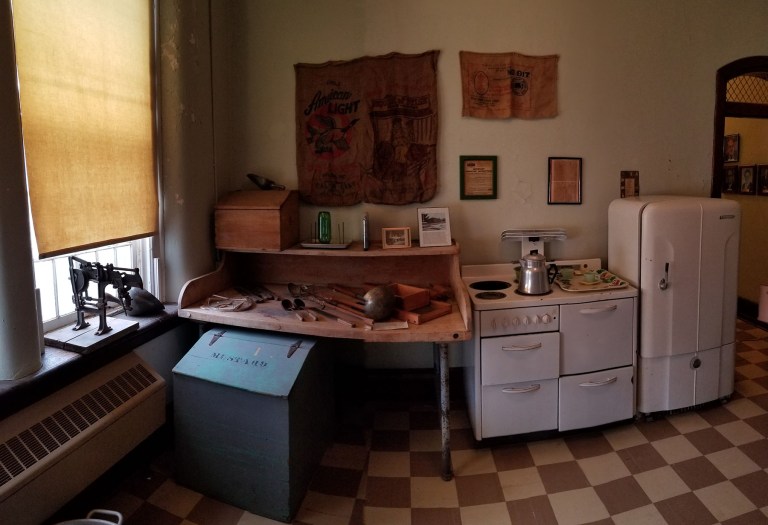
An 1800s Style Kitchen 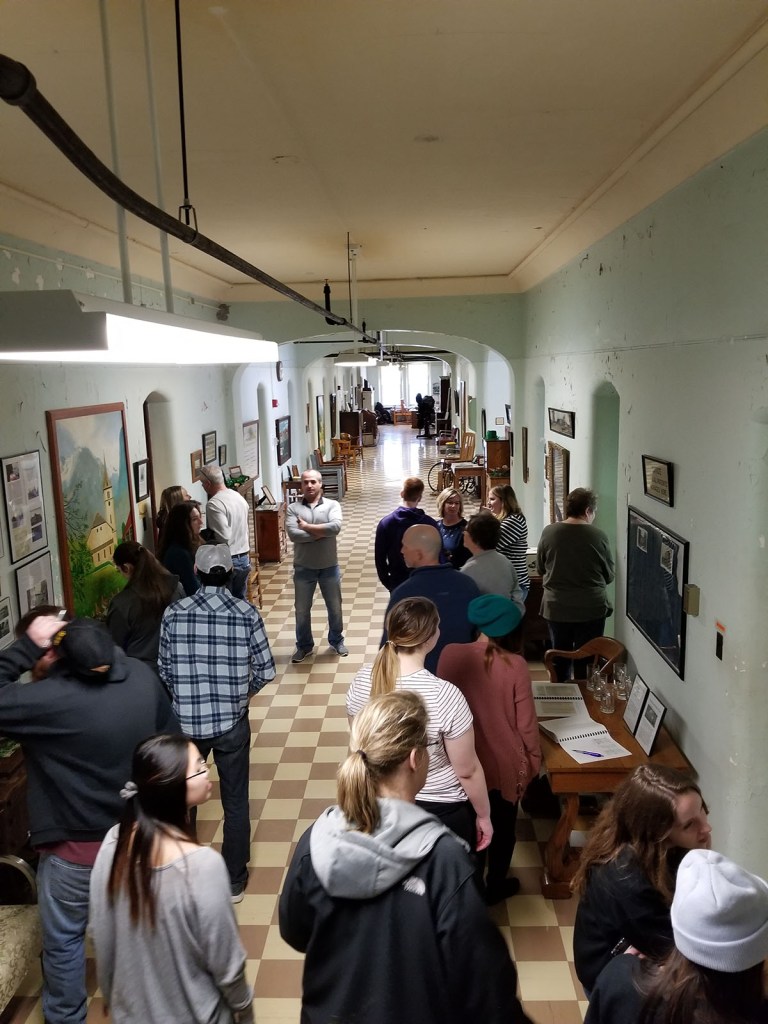
The Museum Hallway
 Love Live Connect
My grandfather worked as an orderly there in the 70s. He had a room in the big building he lived in. I always liked visiting him there.
LikeLike
Looking for tour dates.
LikeLike
I just called them and got in with a school tour. 319-334-2583. I don’t think they do them in regular intervals.
LikeLike
I stayed here as a kid in the children’s ward. It was an open ward, the boys and girls were separated on different sides but we mingled during the day. I really liked my time there and have fond memories. We would walk to lunch and dinner thru the tunnels underground as they were all connected.
LikeLike
Honestly screw you , guys MHI is below in its health standards and staff they don’t know what there doing I was there as a 16 year old kid when you shower you have to show your top half so boobs or your bottom half which is your private parts the food is awful state does not care – there’s no garden no animals there kickball and a play yard where creepy adult ward stares at you thru the window it’s not a place that makes you better it abusive – nasty and truly breaks you worse so yes plz go do your tours and brag about a life you don’t know you people make me sick
LikeLike